Unleashing the thunder: A deep dive into the Marvel Thor comics universe
by Marvel Lunatics · June 13, 2025
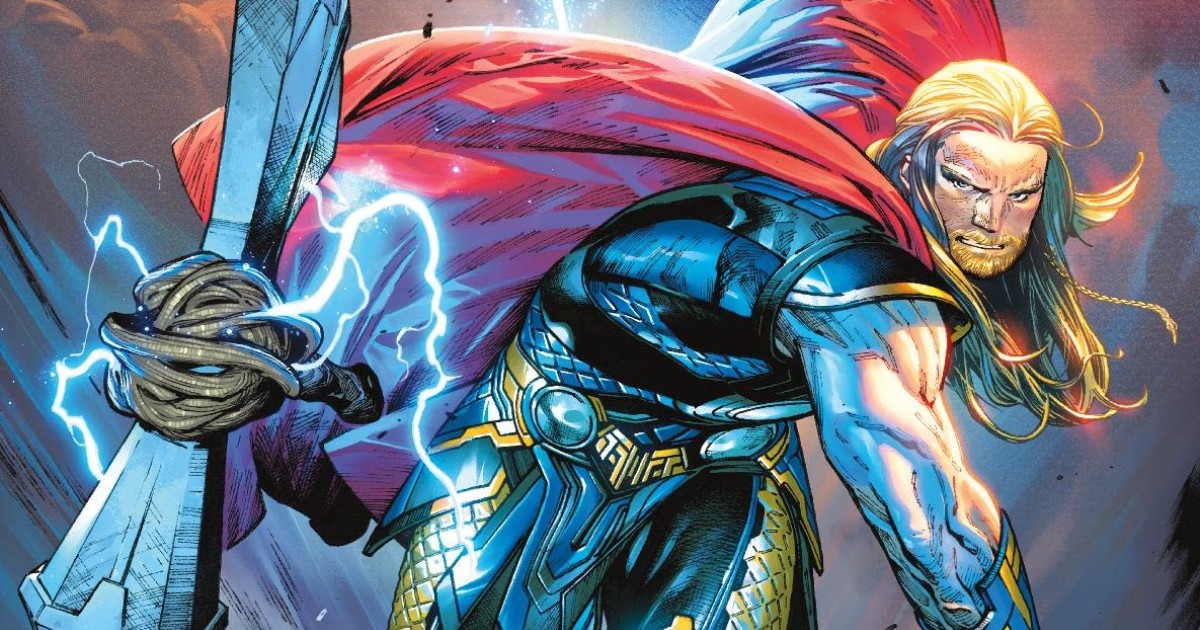
Step into the electrifying realm of Marvel’s Thor comics, where myth and modernity collide in symphonic battles and epic quests. Known as the God of Thunder, Thor harnesses not just the power of storms, but also the weight of an age-old legacy that transcends time and space. From the rugged landscapes of Asgard to the bustling streets of Midgard, this deep dive unravels the captivating narratives and iconic characters that have enthralled fans for decades. Explore the intricate relationships, from the fierce loyalty of the Warriors Three to the complex dynamics with siblings like Loki, all set against a backdrop rich in Norse mythology. Whether you’re a lifelong devotee or a curious newcomer, join us as we unleash the thunder and discover what makes Thor a legendary figure in the Marvel universe. Prepare for an adventure filled with heroism, betrayal, and the relentless pursuit of identity!
The origins of Thor in Norse mythology
Thor, the hammer-wielding god of thunder, has roots that stretch far back into the annals of Norse mythology, long before his modern-day Marvel incarnation. In ancient Scandinavian lore, Thor is depicted as a mighty warrior with an unyielding spirit, revered for his strength and his role as a protector of both gods and humans. His legendary hammer, Mjölnir, is not just a weapon but a symbol of his divine power, capable of summoning lightning and thunder, and ensuring victory against the forces of chaos. This ancient mythology provides the foundational bedrock upon which Marvel’s Thor is built, seamlessly blending mythic elements with contemporary storytelling to create a character that resonates across time.
In traditional Norse tales, Thor is the son of Odin, the All-Father, and the Earth goddess Jord. His lineage endows him with a unique combination of divine authority and connection to the earthly realm. Thor’s adventures are chronicled in various sagas and Eddas, where he battles formidable giants, treacherous beasts, and even the World Serpent, Jörmungandr, in a series of cataclysmic confrontations. These stories not only highlight his physical prowess but also his unwavering sense of duty and justice, characteristics that have been masterfully translated into his Marvel persona.
The cultural significance of Thor in Norse mythology extends beyond mere tales of heroism. He embodies the human struggle against the chaotic forces of nature and the existential threats that loom over society. His role as a defender of Asgard and Midgard (Earth) underscores the timeless themes of protection, sacrifice, and resilience. Marvel Comics has adeptly tapped into these archetypal narratives, ensuring that Thor’s mythological essence remains intact while expanding his character into new and exciting dimensions.
Evolution of Thor in Marvel Comics
Thor’s journey from the ancient myths of Scandinavia to the pages of Marvel Comics began in 1962 with the character’s debut in “Journey into Mystery” 83, created by writer Stan Lee, scripter Larry Lieber, and artist Jack Kirby. This seminal introduction marked the beginning of Thor’s transformation into a superhero who would become a cornerstone of the Marvel Universe. Initially, Thor’s stories were heavily influenced by his mythological roots, featuring tales of his battles against giants, trolls, and other mythical creatures. However, it wasn’t long before Thor’s narrative began to evolve, incorporating modern elements and intertwining with the broader Marvel superhero mythos.
In the early days, Thor’s alter ego, Dr. Donald Blake, added an intriguing layer to the character, allowing readers to see the god of thunder navigate the complexities of human life while grappling with his divine responsibilities. This duality not only humanized Thor but also provided a rich tapestry for storytelling, blending the mundane with the extraordinary. Over time, the character of Thor has undergone numerous transformations and reimaginings, reflecting the changing tastes and sensibilities of comic book audiences. From his classic silver age adventures to the darker, more introspective stories of the modern era, Thor’s evolution has been marked by a continuous exploration of his identity and purpose.
The creative contributions of various writers and artists have been instrumental in shaping Thor’s character. Notable runs, such as those by Walt Simonson, who introduced iconic elements like Beta Ray Bill and the Surtur Saga, have left an indelible mark on Thor’s legacy. Similarly, Jason Aaron’s more recent work, including “Thor: God of Thunder” and “The Mighty Thor,” has delved deeply into Thor’s psyche, exploring themes of worthiness, legacy, and the burden of godhood. These stories have not only enriched Thor’s character but also expanded his universe, introducing a diverse cast of supporting characters and complex, multi-layered narratives.
Key story arcs and major plotlines
Throughout his storied history, Thor has been at the center of some of the most compelling and epic story arcs in comic book history. One of the most significant is the “Ragnarok” saga, which draws directly from Norse mythology and explores the cyclical nature of destruction and rebirth. In this storyline, Thor faces the end of Asgard and the gods, battling against overwhelming odds to save his realm. The themes of sacrifice, destiny, and the inevitability of change are poignantly depicted, making “Ragnarok” a cornerstone of Thor’s narrative.
Another landmark story arc is “The Surtur Saga,” crafted by Walt Simonson, which sees the fire giant Surtur attempting to bring about the end of the Nine Realms. This arc is renowned for its grand scale, intense action, and emotional depth, showcasing Thor’s heroism and the strength of his bonds with his allies, including the Warriors Three and his brother Loki. The climactic battles and the profound character moments within this saga have cemented it as a definitive part of Thor’s mythos.
In more recent years, Jason Aaron’s “The God Butcher” storyline has become a modern classic, exploring the existential threats faced by gods and the nature of divinity itself. The introduction of Gorr the God Butcher, a relentless adversary who seeks to eradicate all gods, poses a unique challenge for Thor. This arc delves into Thor’s past, present, and future, examining his worthiness and the impact of his actions across time. The narrative’s intricate structure and philosophical undertones have elevated it to one of the most lauded Thor stories in contemporary comics.
Iconic villains and allies in Thor’s universe
Thor’s universe is populated by a rich tapestry of characters, both allies and adversaries, each contributing to the depth and complexity of his narrative. Among his most iconic villains is Loki, the God of Mischief and Thor’s adoptive brother. Loki’s cunning and manipulative nature make him a perpetual thorn in Thor’s side, driving many of the central conflicts in Thor’s stories. Their relationship is fraught with betrayal, rivalry, and a deep, albeit twisted, bond that adds layers of emotional complexity to their encounters.
Another formidable foe is Hela, the Goddess of Death, whose ambition and power pose a grave threat to Asgard. Hela’s cold demeanor and relentless pursuit of dominion over the dead make her a chilling adversary. Her confrontations with Thor often explore themes of mortality, power, and the inescapable nature of fate. Similarly, the fire giant Surtur, with his apocalyptic ambitions, embodies the ultimate destructive force, challenging Thor both physically and morally.
On the side of allies, the Warriors Three (Fandral, Hogun, and Volstagg) stand out as Thor’s loyal companions. Their camaraderie and bravery provide a counterbalance to the weight of Thor’s godly duties, adding a sense of warmth and humor to the narrative. Lady Sif, a fierce warrior and occasional love interest, is another key ally whose strength and valor match Thor’s own. Together, these characters form a vital support network for Thor, aiding him in his battles and personal struggles.
The role of Asgard and its significance
Asgard, the celestial home of the gods, is more than just a backdrop for Thor’s adventures; it is a character in its own right, rich with history, culture, and significance. Asgard’s grandeur and majesty are beautifully depicted in the comics, with its golden spires and otherworldly landscapes providing a stark contrast to the mortal realm of Midgard. As the seat of Odin’s power and the heart of the Nine Realms, Asgard is a symbol of divine order and protection, embodying the ideals that Thor strives to uphold.
The significance of Asgard extends beyond its physical beauty. It represents the legacy and responsibilities that come with Thor’s heritage. The realm’s history is steeped in ancient lore, with countless tales of heroism, betrayal, and cosmic battles shaping its identity. Asgard’s role as a bastion against the forces of chaos and destruction underscores the perpetual struggle between order and disorder, a central theme in Thor’s narrative. The realm’s eventual destruction and subsequent rebirth in various story arcs highlight the cyclical nature of myth and the enduring resilience of the gods.
Asgard’s influence on Thor’s character is profound, shaping his sense of duty, honor, and identity. The realm’s customs, traditions, and values are integral to Thor’s upbringing and worldview, guiding his actions and decisions. Asgard’s significance is also reflected in Thor’s connections with other realms and beings, from the frost giants of Jotunheim to the elves of Alfheim. These interactions enrich the narrative, creating a dynamic and interconnected universe that is both vast and intricately detailed.
Thor’s character development over the years
Thor’s character development over the years has been marked by a continuous exploration of his identity, worthiness, and the burdens of his divine heritage. From his early days as a somewhat brash and arrogant god, Thor has evolved into a more nuanced and introspective figure, grappling with the complexities of his role as both a hero and a deity. This journey of self-discovery and growth is a testament to the character’s depth and the skillful storytelling that has shaped his evolution.
One of the most significant aspects of Thor’s character development is his relationship with his father, Odin. This dynamic is often fraught with tension, as Thor strives to prove himself worthy of Odin’s legacy while also forging his own path. The expectations and demands placed upon him by his father and by Asgard as a whole create a powerful internal conflict, driving much of Thor’s narrative. As Thor matures, he begins to question the very nature of worthiness and leadership, seeking to define these concepts on his own terms.
Another key element of Thor’s character development is his interactions with humanity. His time on Earth, both as Dr. Donald Blake and as Thor, has profoundly shaped his understanding of heroism, compassion, and sacrifice. These experiences have humanized Thor, allowing him to connect with people on a personal level and to appreciate the fragility and beauty of mortal life. This duality of being both god and man adds a rich layer to his character, making him relatable and deeply compelling.
Adaptations: Thor in movies and TV shows
Thor’s transition from the pages of comic books to the big screen has been a significant milestone in the character’s history, bringing the God of Thunder to a global audience. The Marvel Cinematic Universe (MCU) has played a pivotal role in this adaptation, with actor Chris Hemsworth’s portrayal of Thor becoming iconic. The character made his cinematic debut in “Thor” (2011), directed by Kenneth Branagh, which introduced audiences to the grandeur of Asgard and the complexities of Thor’s character. The film’s blend of mythological elements and modern-day storytelling set the stage for Thor’s subsequent appearances in the MCU.
Thor’s journey in the MCU has been marked by significant character development and memorable story arcs. In “Thor: The Dark World” (2013) and “Thor: Ragnarok” (2017), directed by Taika Waititi, Thor’s narrative evolved, with “Ragnarok” in particular redefining the character’s tone and approach. Waititi’s infusion of humor, vibrant visuals, and fresh storytelling breathed new life into Thor’s character, making him more relatable and endearing to audiences. The film’s exploration of themes such as identity, loss, and rebirth resonated deeply, further solidifying Thor’s place in popular culture.
In addition to the films, Thor has appeared in various animated TV shows and series, further expanding his reach and impact. The character has been featured in animated adaptations such as “The Avengers: Earth’s Mightiest Heroes,” “Avengers Assemble,” and “Hulk and the Agents of S.M.A.S.H .” These adaptations have allowed for different interpretations of Thor’s character, showcasing his heroism, humor, and the rich tapestry of his universe. Each adaptation has contributed to Thor’s enduring popularity, introducing new generations of fans to the God of Thunder.
The impact of Thor on pop culture
Thor’s impact on pop culture is undeniable, with the character becoming a symbol of strength, heroism, and resilience. From comic books to movies, TV shows, and merchandise, Thor’s presence is ubiquitous, permeating various aspects of popular culture. The character’s iconic look, complete with his flowing blonde hair, winged helmet, and mighty hammer Mjölnir, has become instantly recognizable, making Thor a staple in the pantheon of superheroes.
One of the most significant aspects of Thor’s cultural impact is his role as a bridge between ancient mythology and modern storytelling. The character’s roots in Norse mythology provide a rich backdrop that adds depth and gravitas to his stories, while his modern-day adventures resonate with contemporary audiences. This fusion of myth and modernity has made Thor a unique and compelling figure, appealing to a wide range of fans, from mythology enthusiasts to superhero aficionados.
Thor’s influence extends beyond the realm of entertainment, inspiring various forms of art, literature, and even fashion. The character’s themes of heroism, sacrifice, and the pursuit of identity have been explored in numerous creative works, highlighting his relevance and versatility. Moreover, Thor’s popularity has led to a proliferation of merchandise, from action figures and clothing to video games and memorabilia, further cementing his status as a cultural icon.
The future of Thor in comics and beyond
As we look to the future, Thor’s journey is far from over. The character’s enduring appeal and rich narrative potential ensure that he will continue to be a central figure in the Marvel Universe. With new storylines and creative teams constantly pushing the boundaries of Thor’s adventures, fans can expect to see fresh and exciting developments in the comics. The exploration of themes such as legacy, worthiness, and the nature of godhood will undoubtedly continue to shape Thor’s narrative, offering new insights and perspectives on the character.
In the realm of film and television, Thor’s presence in the MCU remains strong, with future projects promising to further expand his story. The upcoming “Thor: Love and Thunder,” directed by Taika Waititi, is set to explore new dimensions of Thor’s character, introducing new characters and delving deeper into the mythos of the God of Thunder. This continued evolution in the cinematic universe ensures that Thor’s legacy will endure, captivating audiences for years to come.
Ultimately, Thor’s impact on both the Marvel Universe and pop culture at large is a testament to the timeless nature of his character. From his mythological origins to his modern-day incarnations, Thor embodies the ideals of heroism, resilience, and the eternal struggle between order and chaos. As we continue to follow Thor’s journey, we are reminded of the power of storytelling and the enduring appeal of a character who transcends time and space, inspiring us to unleash the thunder within ourselves.
Tags: Marvel Comics Thor